

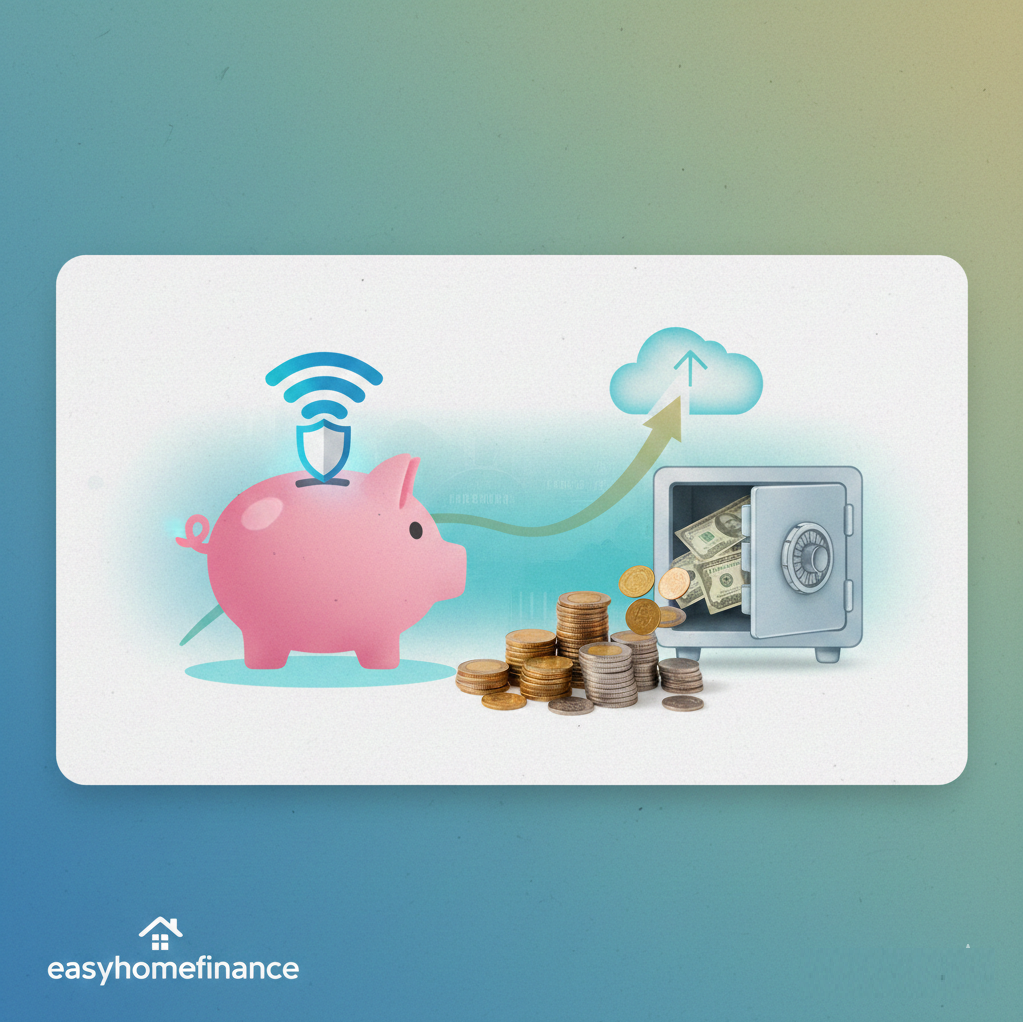
In an era of economic shifts, building a financial safety net isn’t just a “good idea”—it is the foundation of your future security. Whether you are looking to apply for a housing loan or simply want to protect your family’s lifestyle, an emergency fund is your first line of defense against the unexpected.
When you have a solid cushion, you aren’t just saving for a rainy day; you are positioning yourself as a prime candidate for easy home finance. Lenders love stability, and nothing says “stable” like a well-managed emergency fund.
Why Your Emergency Fund is the Secret to an Easy Home Loan
If you’re planning to apply for a home loan online in India, you might wonder why an emergency fund matters to a bank. Here is the reality:
- Proof of Financial Discipline: Showing a history of savings makes you a low-risk borrower for any home loan finance company.
- EMI Protection: If you face a sudden job loss or medical bill, your emergency fund ensures you don’t miss a housing loan EMI, keeping your credit score pristine.
- Lower Stress, Better Decisions: When you aren’t desperate for cash, you can take your time to compare an easy home loan bank against home loan private finance to find the best interest rates.
4 Steps to Build Your Fund While Planning for a Home
1. Calculate Your Target
Most experts recommend saving 3 to 6 months of essential expenses. However, if you are about to apply for a mortgage loan, you should also factor in potential EMI payments. Use a home loan calculator or an EMI calculator to estimate what your future monthly commitment will be, and add that into your savings goal.
2. Audit Your Current Debts
Before you dive into housing finance, look at your high-interest debts. It is often wiser to clear credit card debt before looking for home finance companies near me, as this improves your debt-to-income ratio.
3. Automate Your Savings
Treat your emergency fund like a mandatory bill. Set up an automated transfer to a separate bank loan home loan savings account. Even a small, consistent amount builds momentum.
4. Optimize for Liquidity
An emergency fund shouldn’t be locked in long-term investments. You want it accessible. Look for a home loan bank that offers high-interest savings accounts or liquid funds so you can access cash instantly.
How to Plan Finances Before Applying for a Housing Loan
Planning is the difference between a stressful debt and a successful investment. Follow this checklist before you hit “apply”:
| Feature | Action Item |
| Budgeting | Use an easy home finance EMI calculator to see how much house you can actually afford. |
| Credit Score | Ensure your score is above 750 to secure quick home loans with the lowest rates. |
| Down Payment | Aim for 20% to avoid extra insurance costs and reduce your loan and mortgage burden. |
| Comparison | Don’t settle. Compare a home loan finance company near me with major national banks. |
Ready to Take the Next Step?
Building an emergency fund is the first step toward the front door of your new home. Once your safety net is in place, you can confidently explore property loans and home loan against property options without the fear of the “what-ifs.”
Whether you prefer a home loan private finance near me for flexibility or a traditional home loan bank for stability, being prepared is your greatest asset.
Frequently Asked Questions (FAQ)
Navigating the world of housing finance can feel like a maze. Here are the most common questions people ask when looking to apply for a housing loan while managing their personal finances.
1. Can I apply for a home loan if I don’t have an emergency fund?
Yes, you can apply for a mortgage loan without one, but it is risky. Most home loan finance experts recommend having at least 3 months of expenses saved. If you encounter a financial hurdle, your emergency fund prevents you from defaulting on your housing loan EMI, which protects your home from foreclosure.
2. How much should I save before I apply for a home loan online in India?
Ideally, you should save for:
- The Down Payment: Usually 10%–20% of the property value.
- Closing Costs: Registration, stamp duty, and processing fees for the home loan bank.
- Emergency Fund: 3–6 months of living expenses including your future EMI.
3. Should I use my emergency fund for a down payment?
No. Your emergency fund and your down payment should be separate. Using your “safety net” to apply for housing loan down payments leaves you vulnerable to unexpected repairs or job changes immediately after moving in.
4. What is the difference between home loan bank and home loan private finance?
- Home loan bank: Often offers lower interest rates but has stricter eligibility criteria and longer processing times.
- Home loan private finance: May offer quick home loans and more flexible documentation, which is helpful if you are self-employed, though interest rates might be slightly higher.
5. How do I know my monthly commitment?
The best way is to use a home loan calculator or an easy home finance EMI calculator. Simply input your loan amount, tenure, and interest rate to see exactly how much will be deducted from your account each month.
6. Is it better to take a home loan against property or a fresh home loan?
A home loan is used to buy a new house, while a home loan against property (LAP) allows you to borrow money by using a property you already own as collateral. LAP usually has a slightly higher interest rate than a standard housing loan.
Comparison: Bank vs. Private Finance Company
| Feature | Home Loan Bank | Home Loan Finance Company |
| Approval Speed | Moderate | Fast (Quick home loans) |
| Interest Rates | Generally Lower | Competitive / Flexible |
| Documentation | Extensive | Simplified |
| Best For | Salaried individuals with high credit | Self-employed or those needing speed |






Leave a Comment